
The Cover Art of Blue Note Records
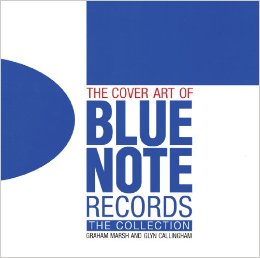
Auteur :
Graham Marsh
Genre :
Photos
Maison d'Edition :
COLLINS & BROWN
In 1938, Alfred Lion emigrate to US, escaping Nazism and embracing Hot Jazz. Attends the legendary spirituals to swing concert and is transfixed by boogie-woogie pianists Albert Ammons and Meade Lux Lewis
Reid Miles designed almost 500 Blue Note record sleeves during a period of some fifteen years: a canon of work so individually styled, that a Reid Miles sleeve was as recognizable as the trumpet timbre of Miles Davis or the plaintive phrasing of Billie Holiday.
Thought commercial artists such as Harold Freinstein dans Andy Warhol were commissioned by Blue Note, it wasn’t until Reid Miles took over as the in-house designer that the label could boast of visual identity to match the Blue Note Sound created by Rudy Van Gelder and Alfred Lion.
As the label moved into the sixties, Miles found the inspiration for what he considers his best work for Blue Note.
This piece of sartorial history was of no concern to us, however the mere fact that Hank Mobley, Sonny Rollins? Art Blakey and other Blue Note luminaries were photographed wearing these shirts, on their respective album covers, was endorsement enough.
It didn’t mean you had to have full colour – two colours didn’t hurt product at all. The few full colour cover I did were not as strong as the ones with black and white and red (Reid Miles).
I would say that ninety per cent of Frank’s photos were taken at the recording sessions. I got the picture from Frank and I integrate them within the design of the moment (Reid Miles).
Frank tried to get the artist’s real expression… the way he stood. Reid was more avant-garde and chic but the two together worked beautifully (Alfred Lion)
That Blue Note era would never have happened in the context of a large company… il was a personalized, individual, approach (Rudy Van Gelder)
I think typography in the early fifties was in renaissance period anyway. Il happened especially on album cover because they were not so restrictive as advertising (Reid Miles)